


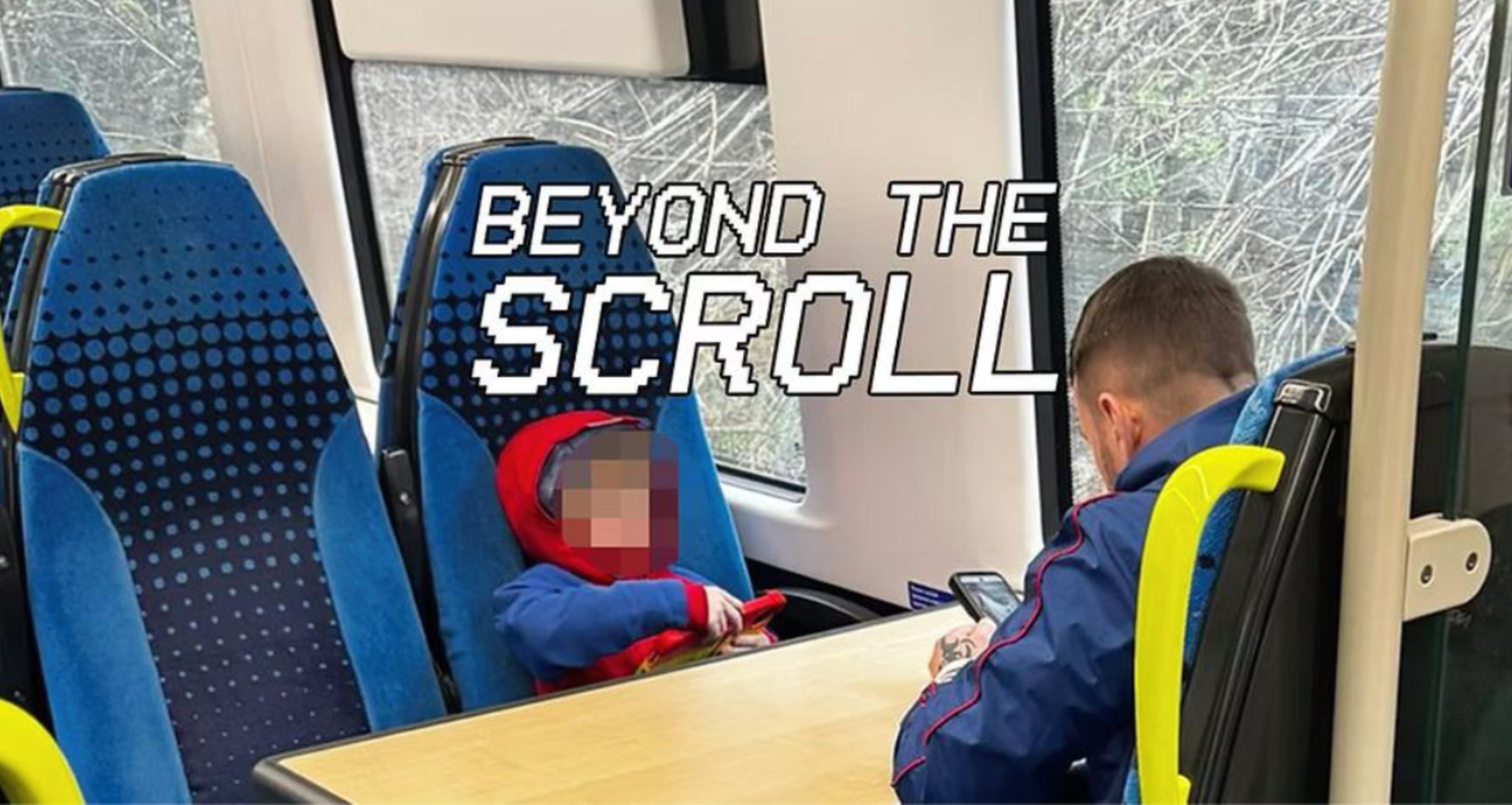
I arrived in Doncaster with the sort of brain you get when you’ve spent too much of your week speaking in complete sentences to too many different kinds of people.
Half host. Half unpaid therapist.
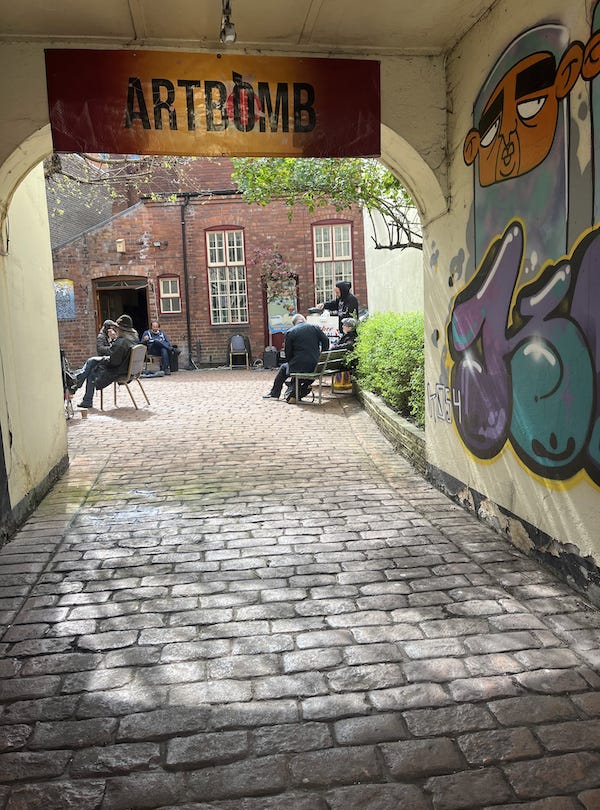
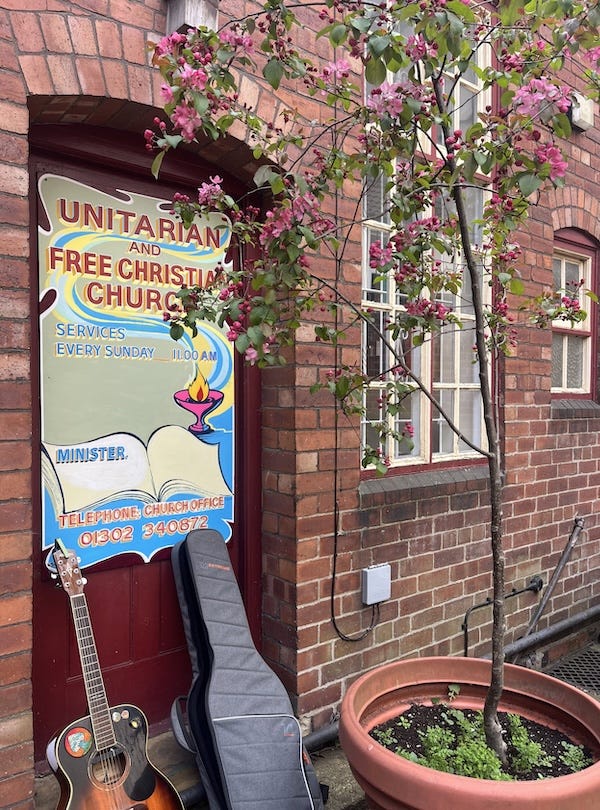
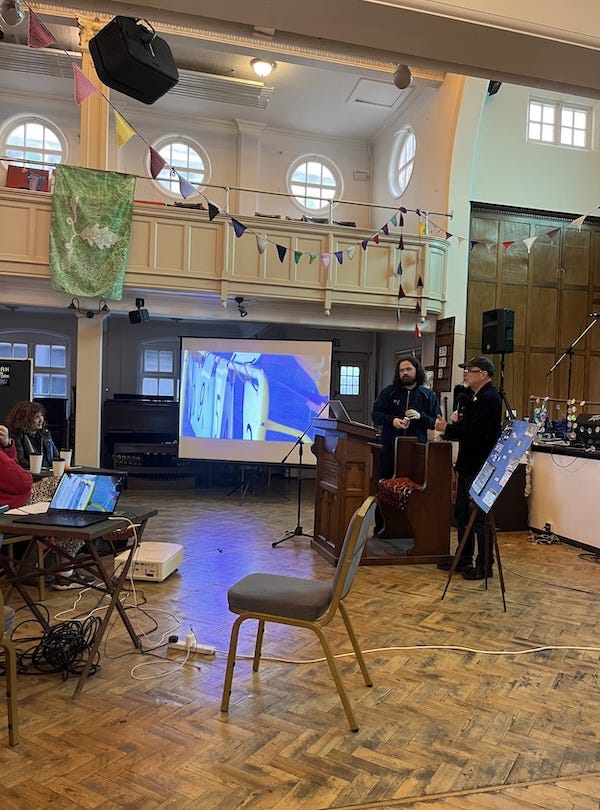
I’d come over for Beyond the Scroll: Rethinking Socially Engaged Practice — a one-day symposium, workshops and evening social, and that’s how I entered ArtBomb which sits on Hall Gate in what used to be an estate agents. A place once built to sell square footage now being used to hold ideas, arguments, anti-capitalist books, film work, synths, crochet, zines and whatever else can survive the thoroughfare of Hall Gate’s pavements. It connects through to the Doncaster Unitarian Church behind it, and in front of that a courtyard, a hidden pocket that makes the whole thing feel less like a venue and more like a living, breathing organism.
This matters.
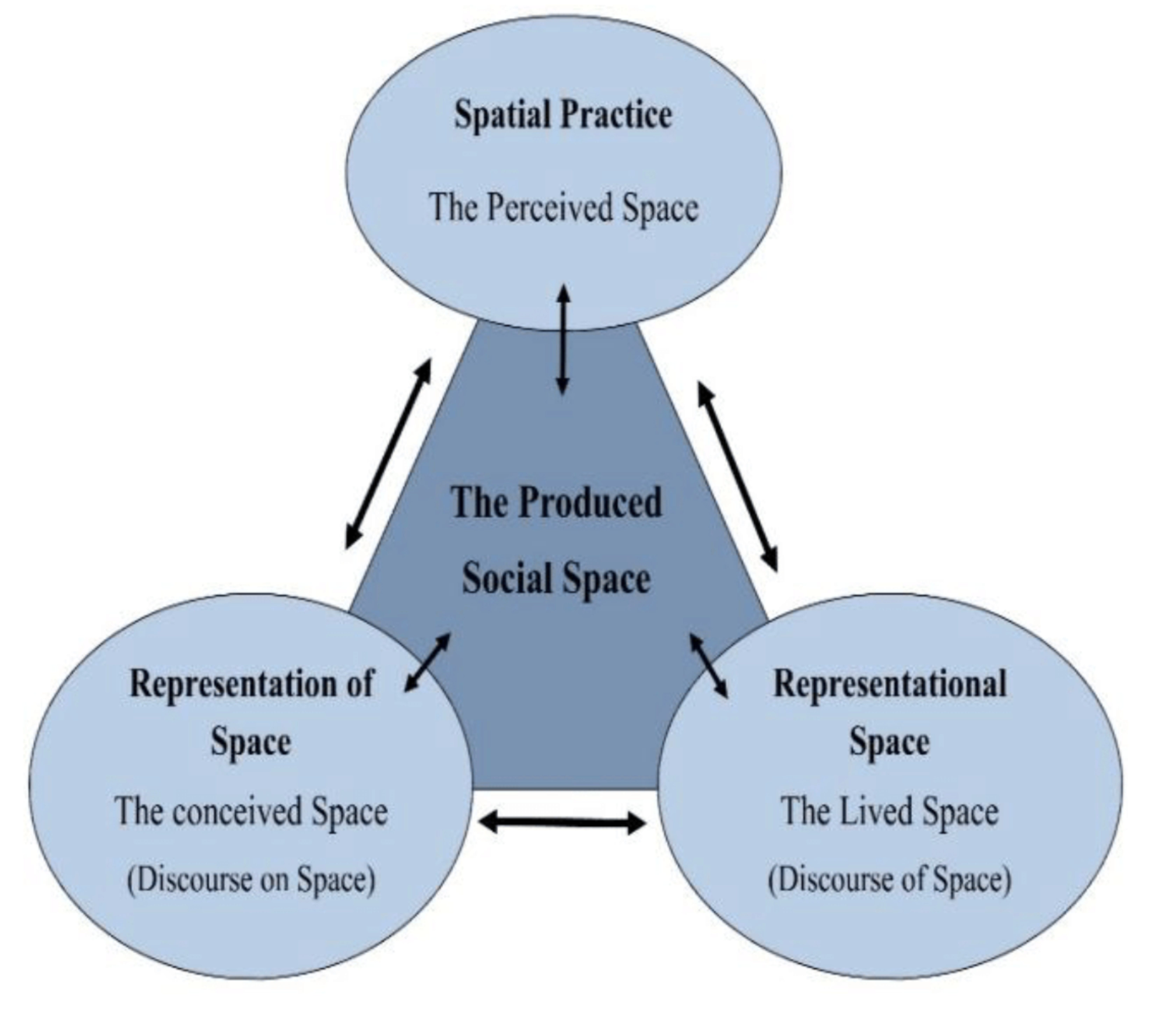
This matters because space does not arrive with one fixed destiny. It becomes what social life does in them. Space is shaped by the people moving through them, by the histories they inherit, by the labour and imagination poured into them, and by the power structures trying to stabilise or monetise them. As Lefebvre The Production of Space argues, space is not neutral, it is produced. Produced physically, talked into being discursively, and lived through bodies, routines, symbols and habits.
Beyond the Scroll was never going to work in a conference centre or some polished black box that smells faintly of grant money and institutional ego stroking. It needed the ghost of Flares nightclub to sit shuttered just opposite. It needed vape shops nearby, the rumble of traffic, the sound of ping pong upstairs and the constant possibility that someone might walk in halfway through a serious conversation.
That’s one of the reasons I’ve stayed fascinated by ArtBomb. It is one of the few places I know trying to produce a different social space in real time, and doing so in a town centre that still carries all the usual British symptoms of hollowed-out civic life. Like I wrote recently about Mocha Parade, a shopping precinct back home in Salford that used to carry everyday graft and gossip, now replaced with a Lidl. Regeneration, they will call it. Civic renewal by discount retail. One more levelled shopping precinct away from the total extinction of local culture.
There’s a drifting sense now that any public place is only public until someone finds a way to price it, fence it, or convert it into something measurable. Paul O’Neill gets close to this in Curating After the Global. He’s clear that contemporary art hasn’t just travelled through globalisation, its helped build the routes. Biennials, mega institutions, residency circuits, art fairs, all of it feeding into a system where culture becomes part of the experience economy of cities. Even the more critical projects often circulate within the same same infrastructure, moving from one context to another, carrying discourse but also carrying value.
What interests me in his writing is where that system starts to strain, where the promise of global circulation gives way to unevenness, to places that aren’t quite plugged into the network in the same way, or are only visible to it when they can be extracted from. That’s where the pull back toward locality feels less like nostalgia and more like necessity. Not local as a branding exercise, but local as a condition you can’t ignore.
In a place like Doncaster, you feel that tension properly. You can see how some spaces get folded into investment logic and others are left to drift. You can see who gets access to culture that travels and who is expected to consume what’s left behind. It’s close to what Qalander Bix Memon writes about with the zones of being and non-being, that uneven distribution of recognition, value and attention. Certain spaces are treated as if they matter by default, others have to constantly justify their existence, or worse, are rendered invisible unless they can be turned into something useful for someone else. He’s honest enough to admit that even the most critical contemporary art often remains entangled in the exact structures it claims to resist.
It’s easy to be seduced by the finality, the inevitability of locality becoming consumed by the capitalist agenda. But Memon also points to something else, or rather revisits something Lucy Lippard named much earlier: the lure of the local. While localness can be eradicated, it has the power to do quite the opposite: embed itself further. The attractiveness of orientation and securing one’s identity to where you actually are, what people around you actually need, and what forms of contact are still possible there. All in the palm of your hand, for those willing to feel it’s presence.
ArtBomb works in that terrain. It isn’t pretending Doncaster is Berlin. It isn’t trying to import the aura of a cosmopolitan elsewhere and plaster it over Hall Gate like a vinyl wrap. It is starting from the fact of Doncaster itself. A mixed high street, a church with a long memory of dissent built into its walls. A temporary cultural ecosystem built in and against the normal flow of commerce. That, in O’Neill’s terms, is part of what curating after the global has to look like now.
Less borderless fantasy, more situated contact. Less abstract circulation, more friction with actual place.
The church matters more than just as a backdrop. Founded in 1692 by Protestant dissenters who were already pushing against the authority of the Church of England, the building carries a history of people refusing to sit comfortably inside imposed structures. The original chapel was deliberately hidden from the road after others like it had been attacked and burned for their so-called heretical views. Even later, when it moved toward Unitarianism and absorbed other liberal groups, open trust at its core, no fixed doctrine, no enforced line, just a shared commitment to thinking and living together without being told exactly how to do it. That kind of history doesn’t sit quietly. It lingers. You can feel it when the space gets used properly, when it stops being just a building and starts behaving like a place where people are allowed to argue, experiment and get things wrong in public.
That’s the lineage ArtBomb is stepping into, whether consciously or not. Not a clean break from the past, but a continuation of that same refusal to let space settle into one fixed use.
The day began with Mike’s framing and a film, then Shannon Chambers came in with meditation, which in lesser hands could have tipped into a kind of wellness LinkedIn fog. But it didn’t. ‘The Space Between Stimulus and Self’ was a useful way of forcing the room to feel its own habits. I kept thinking while it was happening about Mike Watson’s Hungry Ghosts in the Machine, which had also been feeding into the event, who I spoke to all the way back in 2024 promoting his book for radio.
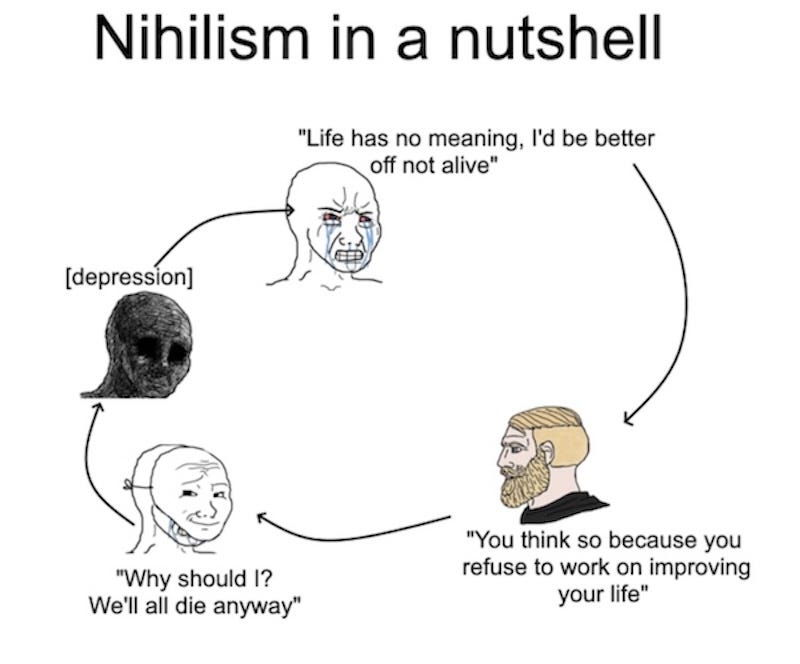
One of the most useful things in that book is the insistence that digital culture does not just distract us but also trains forms of deadened repetition, a sort of lifeless attention, endlessly looking without properly meeting the world. Watson’s section on nihilistic meme culture and the production of doom makes that point well, that misery turns aesthetic, analysis becomes vibe.
That was hanging over the room too. We weren’t there to pretend none of us use these machines. We all do. But we were trying, awkwardly and honestly, to ask what kinds of public life are possible when so much attention is captured before it ever becomes action.
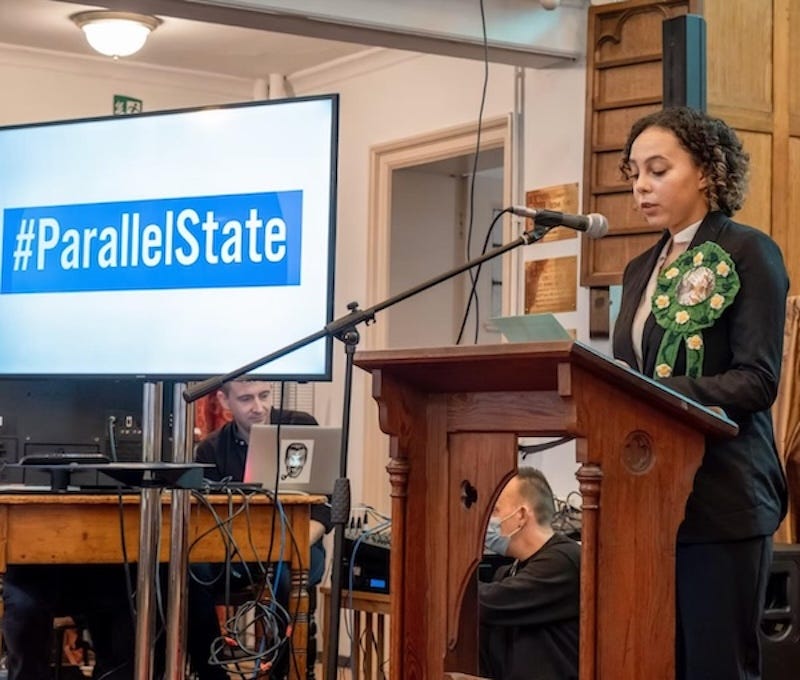
Eelyn Lee’s keynote was brilliant for that reason. Eelyn has the sort of practice that moves fluidly between institutional recognition and grounded speculative thinking, and she brought both. Her talk on socially engaged practice did not fall into the trap of making ‘social’ art sound like a nice add-on, a kind of cultural side salad for struggling places. She was sharp on what these practices can and cannot do, and how they are always entangled in place, in migration, in the conditions of Yorkshire, in the digital present. I kept thinking back to Parallel State, that earlier project of hers and Helen Kilby Nelson’s asking what a Northern town might look like in a breakaway imaginary free from the old dead binaries and prejudices. I’ve always had a soft spot for that provocation because it doesn’t ask you to escape place, it asks you to reimagine it. If Doncaster were self-governed, what would that mean. If we emerged from lockdown and the broader wreckage of the last decade actually willing to reject some of the old “normalities,” what might we keep, and what might we refuse.
That sits close to Bauman’s idea of the interregnum, which O’Neill also picks up, borrowing from Gramsci. The old order is dying, the new one not yet born, and in between you get monsters. That line gets overused because it’s good, but it remains useful precisely because it explains the mood of a lot of cultural work in Britain at the minute. Institutions still functioning, but thinly. Publics still present, but fractured. National stories still being sold, but increasingly unbelievable. Tech still promising frictionless life, while most actual people feel more exhausted, surveilled and atomised than ever. Beyond the Scroll made sense because it accepted that interregnum feeling without trying to smooth it into a nice answer.
Simon Pickles and the Pin Back ’Tha Lugholes material took the room somewhere else again, toward ecological listening, sound, and the ethics of artistic production. It was also one of those moments where the AI question entered more concretely. Should artists use it. Must they. Can they avoid it. If the tool is already here, what obligations follow from refusing or accepting it. There was no easy consensus, which was healthy. I’m always a bit suspicious when rooms agree too quickly about technology. Usually means everyone is ducking the harder problem.
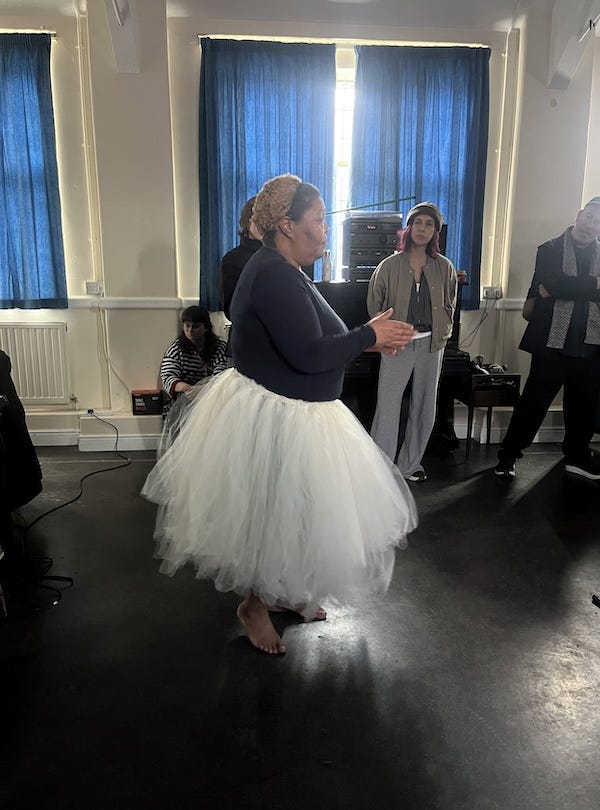
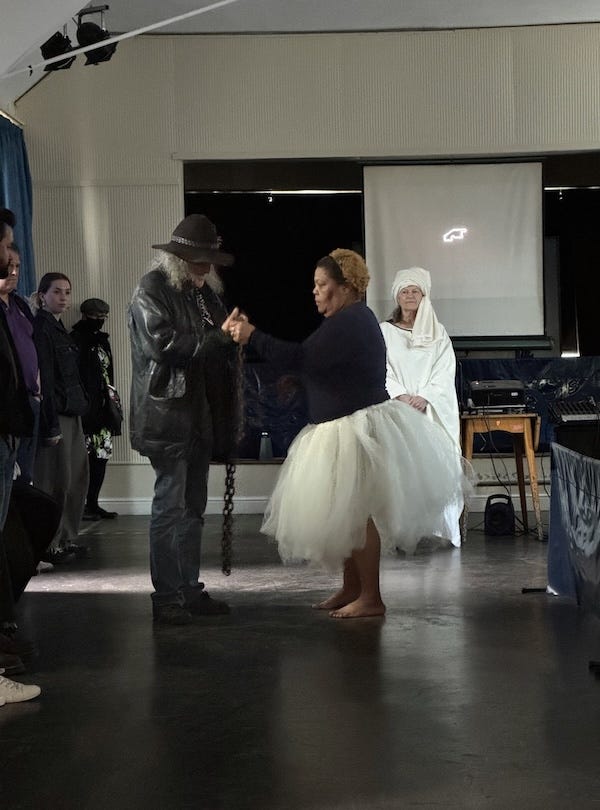
And then Linda Cassells, Sue Hare and Lyndon Watkinson, working as Futures Past Coalition, gave one of the most intense things I’ve seen in ages. We took over the upstairs hall, usually home to Church of Ping Pong, and transformed it into this makeshift performance chamber with a screen, rope, divided space, cards on a makeshift screen, black on one side, white on the other. The cow bell sounded thirteen times like a clock gone wrong in Orwell’s world, and suddenly the room was organised, split, implicated. Linda moved through the space with a chain dragging behind her, another body in white briefly blocking her path, “Tolerance is a Paradox” scrawled across cloth like a warning or accusation. She would take people by the hand. Look them in the eye. Repeat “I am human” and “You are human” until the phrase stopped sounding like a platitude and started feeling like something fragile that needed defending.
The call and response was devastating in its simplicity. One side of the room gave a line, the other returned another. Propaganda. Division. Control. “The propagandists purpose is to make one set of people forget that certain other sets of people are human.” That line hit hard. Then “Hear the smoke, whistle through the gaps,” repeated until it deteriorated, language literally breaking down into “the gaps.” The whole piece understood something that doomscrolling often flattens, that memory is not just recall, it is compulsion. Fixation. Return. Trauma looping. Linda’s reflections at the end, on South Africa, on apartheid, on what doomscrolling means when memory itself is the scroll you cannot stop moving through, gave the whole performance another weight. Not doomscrolling as trivial digital bad habit, but as psychic pattern. The thing you keep revisiting because your body learned to survive by scanning threat. That shifted something important for me. We talk about doomscrolling as if it is just a stupid modern behaviour. Sometimes it is. Sometimes it is also an old wound given a new machine.
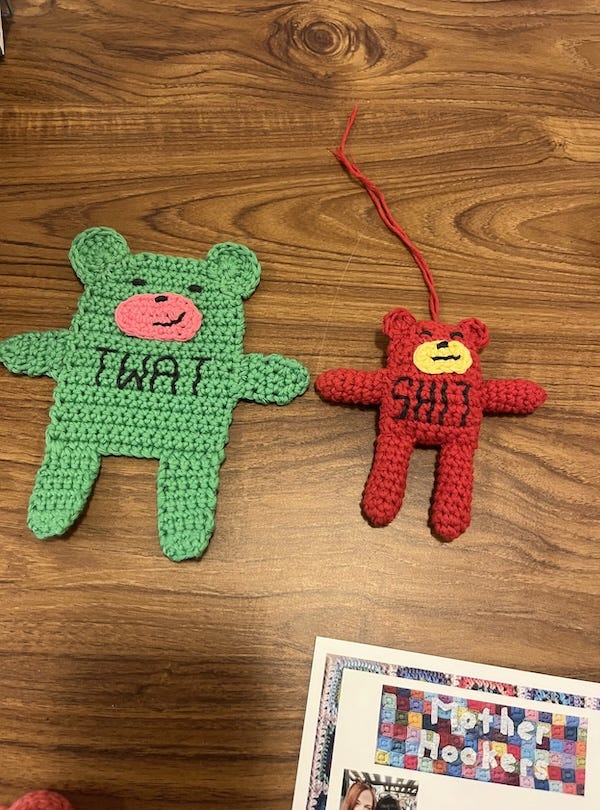
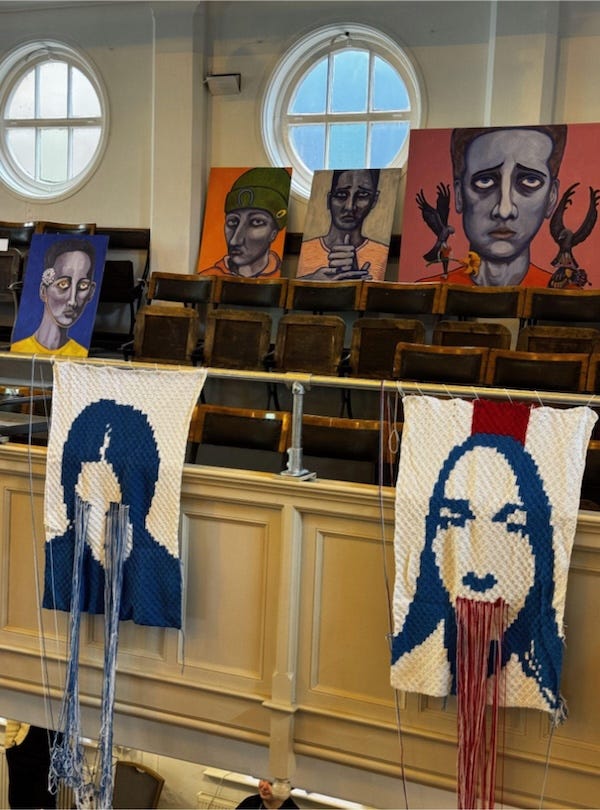
Lunch and the in-between parts of the day mattered just as much as the formal talks. Terry Hudson’s Little Anarchist Bookshop was pitched up in the courtyard like a friendly insurgency. Cushions, books, that homemade atmosphere where theory stops feeling like a test and starts feeling like a thing you can actually touch. Nearby, Squiggle Gang had space for spraying and messing about, which mattered because one of the best ways to break the spell of too much discourse is to give people something physical to do with their hands. Mother Hookers had crochet going. There was table tennis upstairs. Sally Kindberg’s Museum of Dust quietly turned tiny collected residues into story prompts. Matt Redfern’s The Complexities of the Broken Mind and the Broken Vases exhibition sat up on the balcony.
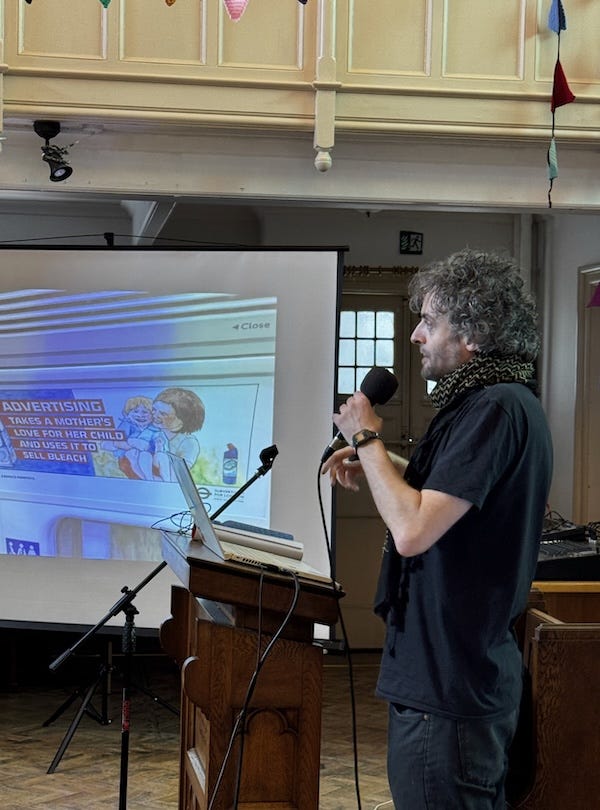
Then Darren Cullen came in and basically reminded everyone that we are already living in the satire. His demo on subvertising was full of what you’d expect from someone working under the name Spelling Mistakes Cost Lives, sharp, funny, practical, and deeply aware that advertising has colonised not just public space but imagination itself. What I liked most was that he resisted calling it a workshop in the twee sense. He made it clear that subvertising is open. You don’t need a perfect political message. The act of replacing an ad with art is already a disruption of the machine. It reminded me of what I’d written around Apartheid Apartments and the way satire now sometimes looks less like exaggeration than reportage. The corporate image world has become so absurd that the work has to cut at structure, not just symbol. Darren’s practice gets that. He is not just mocking brands. He is pointing at how the built environment itself has been sold back to us as an advertising surface.
That links too with Bram Gieben’s The Darkest Timeline, which I interviewed him about in 2024. One of the strongest things in that conversation was his insistence that the cyberpunk warning has already happened and then been hollowed out into consumable aesthetics. We live in the high-tech low-life world now, only much of it comes wrapped in frictionless interfaces and cheerful UX. The city becomes what he calls elsewhere an empty logoscape, a place where novelty, strangeness and civic texture have been eaten by brands with no real stake in the place they occupy. That felt entirely relevant walking in and out of Hall Gate all day. ArtBomb is trying, in however small and provisional a way, to recolonise a little bit of that corporate deadness with friction, argument and play.
The most unexpectedly charged section of the day, though, came later with the young people from Donny college and Diane Wells’ masks. Diane’s work focuses on identity through found objects and textiles, and her crocheted masked figures have this uncanny quality, concealed and playful, a little unsettling without becoming heavy-handed. Using some of those masks, I put together an impromptu discussion-performance around AI, doomscrolling and youth culture. There were about eight or nine young people, and the masks helped loosen something. Not because anonymity automatically makes people truthful, but because it shifted the tone. It became less a classroom discussion and more a strange little live interrogation of the present.
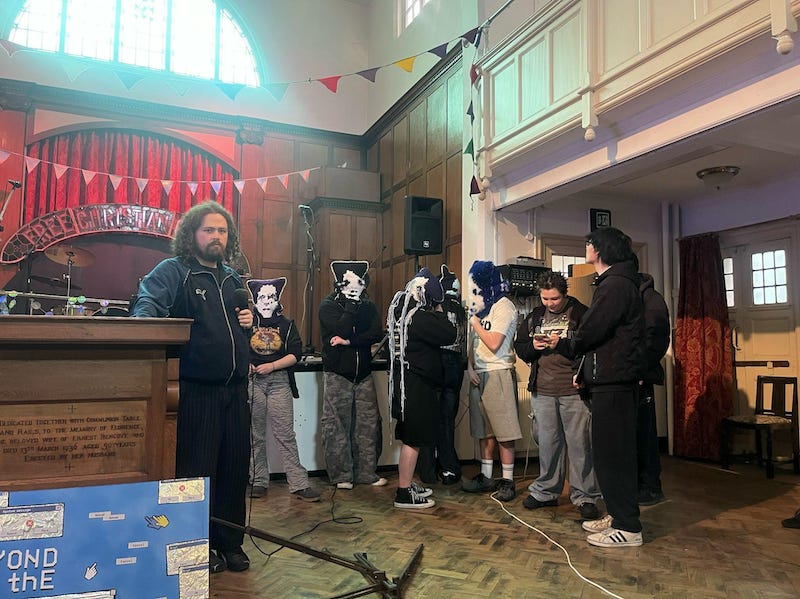
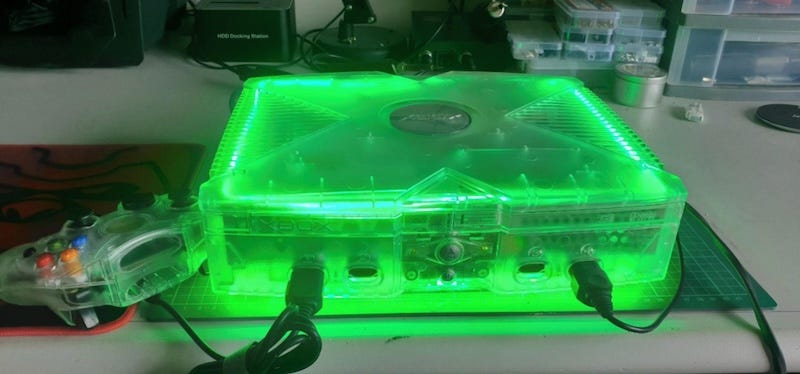
What struck me hardest was how familiar some of the lines sounded. AI isn’t going away, so we just have to get used to it. That kind of resignation. The same old line that every generation gets handed about whatever technological shift is currently reorganising life. Don’t worry. Adapt. Accept. This is the future. It’s the same placating logic we got with everything else. Video games, smartphones, social media platforms. And sure, technology does become part of life. I was born in 1998. I remember the old Windows XP family computer that ran like it was powered by a communal exercise bike. My three uncles were basically older brothers and all total tech heads. My Uncle Kevin used to mod those old crystal Xbox originals to emulate SNES, Dreamcast, all sorts. That side of technology was full of sharing, tinkering, joy. It created a relationship. We learned together. It didn’t feel like surrender.
What feels different now is not just the tool but the content ecology around it. With video games, the argument in the 2000s was usually about what kids were doing with their time. They don’t go on their bikes anymore. They spend too long on Xbox. It wasn’t often about the technological substrate itself. No one around me was talking about cobalt extraction while I was losing six straight hours to Halo Reach. With AI the damage announces itself through the product. The deadness is visible. Hence terms like AI slop. Hence the sickly feeling of watching synthetic entertainment chew through attention and intimacy in real time.
I’d been writing recently about AI fruit dramas, those grotesque little soap-opera reels of cheating strawberries and violent bananas, and all that reading came back with force listening to the students. Cody Kommers and Ari Holtzman’s paper on AI as entertainment has stayed with me because it shifts the question away from productivity and toward diversion. AI is not just being sold as office assistance. It is rapidly becoming a machine for roleplay, synthetic companionship and cultural filler. Character.AI users building relationships with “Guy Best Friend” and “Stella” and all the rest. Children and teenagers learning to spend emotional time with synthetic characters. One of the masked students was deeply anti-AI, talking about its effect on their mental health, their fear of what it is doing to human interaction and creativity. Another took the surveillance line, that AI catching more criminals sounded like a positive. Again, not surprising. Every generation is taught that more monitoring equals more safety. But hearing it spoken so matter-of-factly by someone young gave it a particular chill. Another point that came up was one that artists are now quietly haunted by, the fear of being too good. How do you reassure someone your work is not AI. What happens when skill itself becomes suspicious?
That whole conversation drifted, in the best way, between ethics, aesthetics, anxiety and lived experience. It wasn’t a formal debate. It felt more like what Freire would call a problem-posing encounter, world-mediated, unfinished, people trying to think in relation to what is pressing on them rather than being fed a neat moral line. Which is precisely what a lot more arts pedagogy should be doing.
By evening the whole day loosened into something far more lived. Spoken word. Olamide on sax. Homemade synths. The Skintones doing what they do best, turning a space inside out with that strange, joyous, anarcho-confusion brew of rhythm and mischief. Someone had homebrew ale. It was out of date. No one seemed especially bothered. The church held it all with a generosity I found moving. At some point the formal event had ended and a third space had fully emerged. Not a venue hosting content. Not an institution delivering outreach.
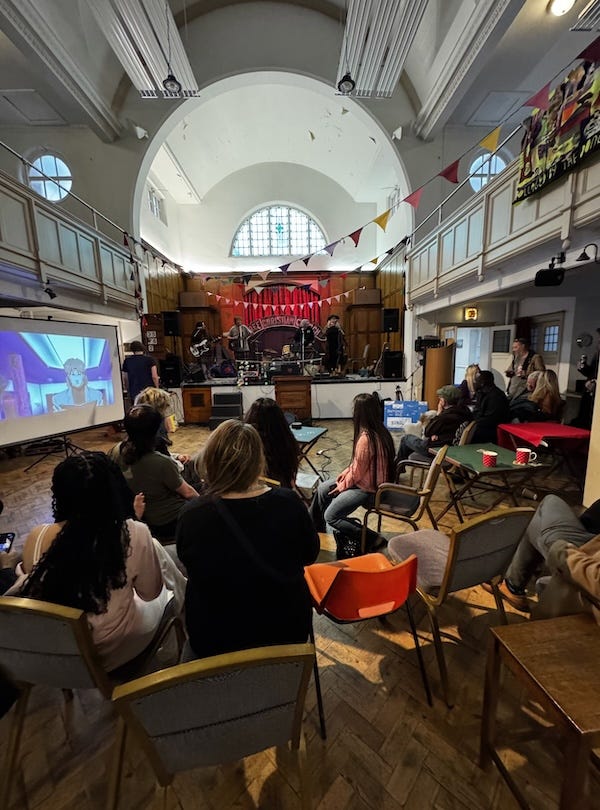
A real social space. Temporary, yes, but real. People making sound together. Hanging about. Talking nonsense and politics. Things leaking from one room into the next. The sort of atmosphere you can’t manufacture with strategy documents however many times you say ‘engagement.’
That brought me back, oddly enough, to Manchester. To the older radical histories that still hum underneath the newer branded city of towers and ‘creative districts.’ The radical bookshops. Basement gigs. Hulme in its rougher eras. The ghosts of Factory in the sense before the logo. Working Class Movement Library and all the strange patient labour of people preserving the printed traces of struggle. It brought me back further too, to New York loft scenes, downtown artist squats, old no-wave and free jazz moments, storefront galleries and churches and bars that became cultural laboratories because people needed somewhere cheap enough and loose enough to experiment in. Radical art has always needed these half-legitimate, half-improvised zones where authorship can get messy and publics are not fully predetermined. Third spaces in the best sense. Not home, not work, not purely commercial, not fully institutional either. Spaces where relation can happen and where culture can still be social before it is monetised.
That is what Beyond the Scroll really brought for Doncaster. Not a grand solution. Not a manifesto from above. A demonstration, temporary but convincing, that another kind of public life is still possible if enough people are willing to risk awkwardness, disagreement and a bit of organisational chaos. A church and a former estate agents becoming a contact zone. A day where philosophy, subvertising, anti-homelessness work, environmental sound, participatory performance, zines, ping pong, student AI anxiety, crochet, spoken word and synth jams all sat next to each other without needing to be ironed into one single message. That is not confusion. That is social form.
And that is where the lure of the local speaks in practice. Not as quaint Northern exceptionalism. As a way of beginning with Doncaster itself and asking what kind of cultural life can grow here that neither ignores global pressures nor simply reproduces global templates. The local is not a retreat from complexity. It is where complexity has to become answerable.
Walking back out onto Hall Gate, I kept thinking how much of the day had been about paying attention not as mindfulness slogan but as political act. Paying attention to how space is made. Paying attention to what feeds do to memory. Paying attention to who gets spoken over, who gets invited in, what gets preserved, what gets turned into product, and what might still be held in common.
Mike Stubbs and Jennie Gilman’s, had already framed a lot of that beautifully in their text for the event, Messy Provocations: Art, Authenticity, and the Age of Endless Feeds. It starts with doubt, which is usually a good sign. Then it moves through post-war scepticism, modern art’s refusal of inherited certainty, and the way the scroll has shifted from sacred text to endless feed.
I liked that it didn’t go for the easy line. No panicked technophobia. No fake pastoral yearning for a slower world. What it gets at, instead, is harder and far more useful, being that distraction has become infrastructure. Not an accident. Not some unfortunate side effect. It’s built in, profitable, constant. It scripts how we present ourselves, how we perform sincerity, how we metabolise politics, and how quickly we are expected to move on from one horror to the next.
And in that sense, Doncaster did something rare. It didn’t just host an event. It made a space beyond the world of doomscrolling and ignited the definite need for third spaces.
