


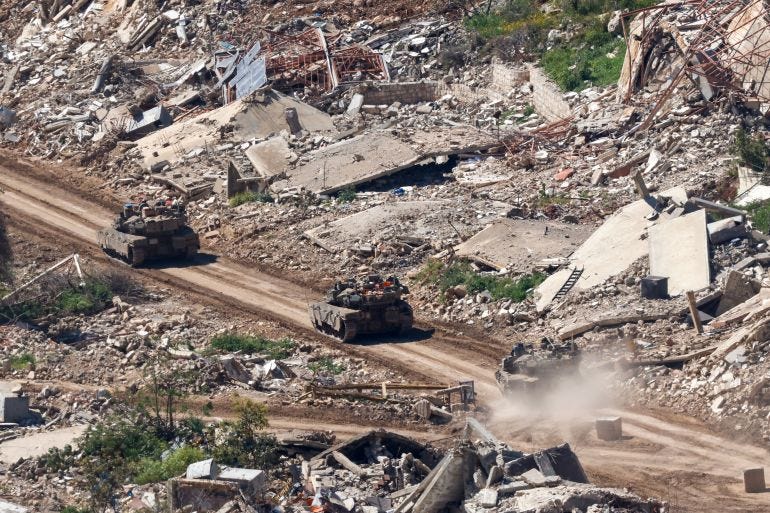
While eyes remain peeled on Israel’s increasingly violent and expanding campaign in Lebanon, the government of Prime Minister Benjamin Netanyahu is proving ever more predatory with the Gaza Strip. With aggrandizing impunity, more territory is being acquired for familiar reasons: Hamas is on the run and needs to be crushed further (the organisation is proving oddly resilient and contradictory to Israeli objectives here); Palestinian autonomy, even in so small an area, would be a future threat to Israel unless heavily invigilated and policed; and, well, there is that old desire to ethnically cleanse the territory.
Speaking at a conference on 28 May, Netanyahu outlined his plans for further seizures. “We are currently squeezing Hamas; we now control 60% of the territory of the Strip—you know this. We were at 50, we moved to 60. My directive is to move to…” (at that point, an enthusiastic voice in the crowd interjected with “100”). Not wishing to state it that obviously, the PM went on to say that the IDF would “go step by step. First of all, 70. Let’s start with that. We’re pressing them from all sides, we’ll deal with the remnants.”
On 27 May, the Israeli Defence Minister Israel Katz wrote on his X account that the government “had pledged to eliminate everyone who led the October 7 massacre, and that is what we will do.” The agenda of elimination in the Strip is an ongoing one, with the announced killing of Hamas military commander Mohammed Odeh giving him a certain febrile glee. “The fourth commander of the Hamas terror organization’s military wing in Gaza was eliminated yesterday and sent to meet his partners in the depths of hell.” Hamas would never be allowed to “rule Gaza civilly or militarily.” Katz also went further, suggesting with heavy ominousness that the “plan for voluntary emigration from Gaza” would commence “at the proper time and in the proper manner.”
The fact that the IDF had already gobbled territory to a hefty proportion of 60% had already breached the terms of the US-brokered ceasefire effective since 10 October 2025. (The original amount was 53%.) In mid-May, Netanyahu, in remarks made at the Mercaz Harav Yeshiva on the occasion of the 59th anniversary of the unification of Jerusalem, boasted that Israel had, over the previous two years “shown the world what immense power is inherent in our people, in our state, in our army, in our heritage.” The most important thing was breaking “the barrier of fear. We brought our hostages home, to the very last one. Today we control 60 percent.”
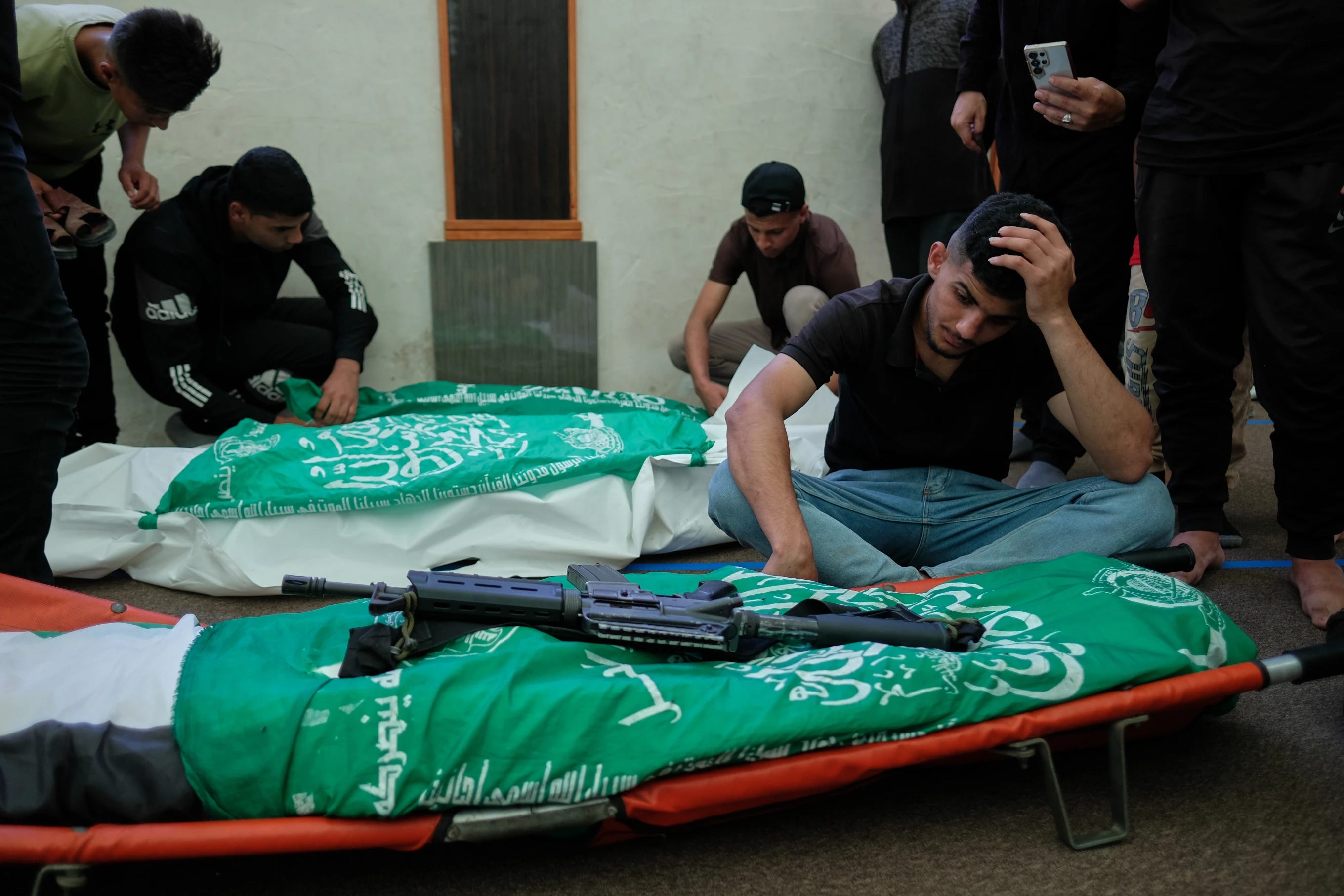
This should have come as a surprise, but such breaches and violations are common fare in Israel’s singular interpretation of ceasefires. (Pro-Israeli critics naturally overlook this, seeing, instead, a stubborn Hamas outfit that refuses to disarm while committing its own complement of ceasefire violations.) The ceasefire in Gaza has proven a particularly bloody one for Palestinians, with 738 having perished since October last year. In January, Haaretz was already reporting on the westward shift of the Yellow Line. According to Laurie Bouvier, a geographic information systems expert working for Doctors Without Borders (MSF), the 60 percent figure was an accurate one, and likely to change given ongoing expansion with new yellow blocks identified in such neighbourhoods as Zeitoun in Gaza City.
The Hamas-run government media office described Netanyahu’s promise of seizing 70% of territory as “a dangerous escalation.” According to its head, Ismail al-Thawabta, “any attempt to impose a new reality of occupation in Gaza is null and illegitimate.”
From New York, the United Nations spokesperson Stéphane Dujarric also added the views of the organisation by stating that, “One hundred percent of Gaza should be for the Palestinian people.” The UN had “been calling on Israel to pull back from its occupation from the so-called yellow line, and that will continue to be our position.”
The United Nations children’s agency UNICEF has expressed concerns the seizure of even more land by the Israeli forces will only worsen a situation where food, water and hygiene are lacking. UNICEF spokesman Salim Oweis, speaking from Gaza to reporters based in Geneva, noted how people had “been crammed into around 40 percent of the space.” They were “sheltering among broken buildings, rubble and mounting solid waste.” The suffering this was causing children was becoming “widely apparent: children with respiratory infections, acute watery diarrhea, and more than half of all households reporting skin diseases.”
This will only be seen by the Israeli authorities as another sob story, the needless tearjerker disseminated by international organisations and commentators who should know better. There is an agenda to implement with necessary ruthlessness, Palestinian officials to kill along with their families, political emasculation of Palestinian will to achieve and, ultimately, a Strip cleansed of Arabs in favour of the Jewish state’s bright and noble citizens.
