


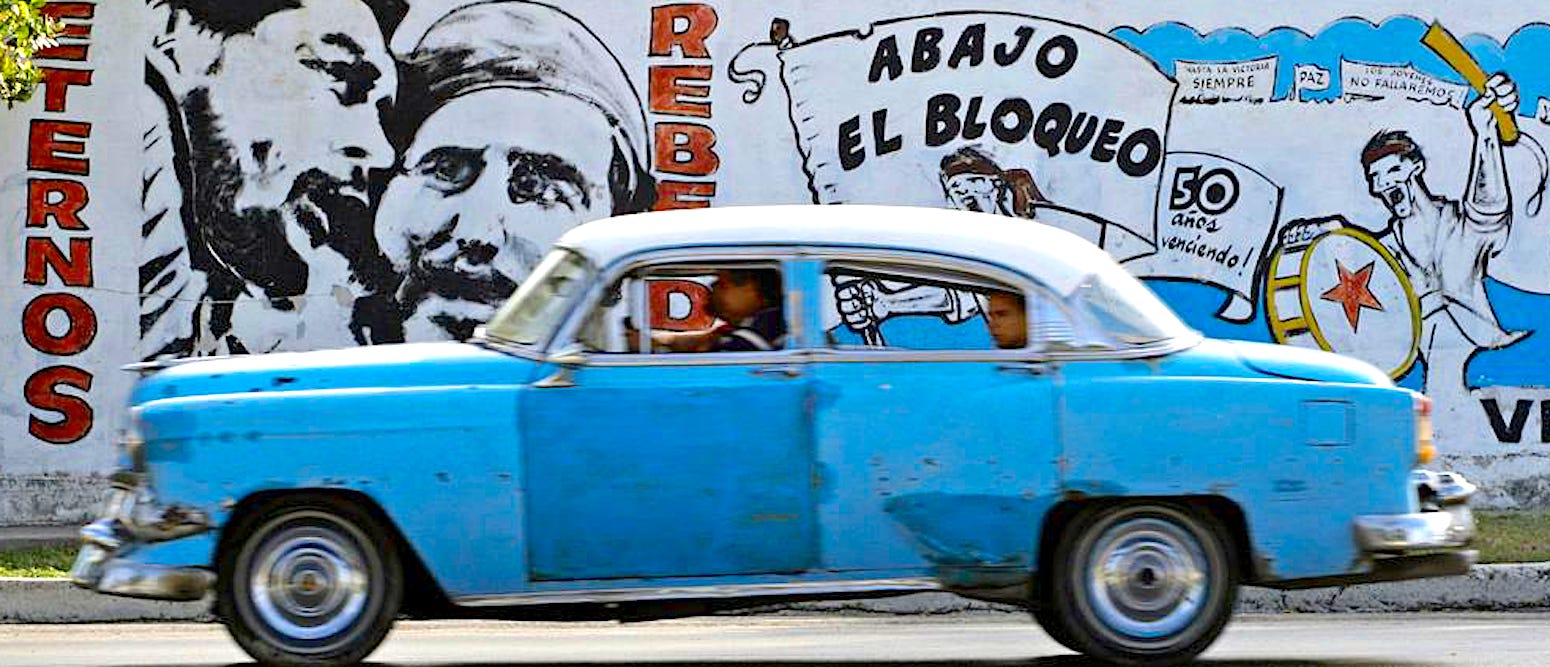
For more than half a century, the United States has imposed a devastating economic siege on the Cuban people because they dared to assert their inalienable right to independence. Bringing an end to six decades of neocolonial domination by Washington, the advent of the Revolution led by Fidel Castro on 1 January 1959, marked the end of an era of subordination and the conquest of dignity. From then on, Cuba would base its relations with other nations, beginning with its powerful neighbour, on sovereign equality, mutual respect, reciprocity, and noninterference in internal affairs.
Beginning in 1960, Washington opposed this legitimate aspiration for emancipation by imposing the first unilateral coercive measures, depriving the island of its principal market, with the acknowledged objective of overthrowing the revolutionary government. Since then, economic sanctions have been tightened by most successive administrations in the White House, which have multiplied the pretexts used to justify their hostility toward Cuban sovereignty: nationalisations, the alliance with the Soviet Union, support for revolutionary and independence movements around the world, democracy, and human rights.
The economic sanctions against the Cuban people constitute the main obstacle to the island’s development. Since 1960, they have cost Cuba nearly $180 billion, including more than $8 billion between March 2025 and February 2026, an average of more than $20 million per day and over $15,000 per minute. With such a sum, Cuba could meet every Cuban household’s basic needs for essential goods for more than a century. More than 80% of Cuba’s population was born under this siege.
The extraterritorial reach of sanctions deprives Cuba of numerous opportunities to develop normal trade relations with other countries. Foreign companies choose not to do business with the island, despite the undeniable opportunities, for fear of retaliation from the United States. Far from being a mere bilateral dispute, these coercive measures have a direct impact on Cuba’s trade with the rest of the world.
The hopes for more peaceful relations between the two countries, raised by Barack Obama’s constructive approach, were dashed beginning in 2017. Upon taking office, the Trump administration returned to an aggressive policy toward the Cuban people, imposing 243 new sanctions over four years, an average of one additional coercive measure every five days throughout his term. Washington targeted the country’s three main sources of revenue: international medical cooperation, family remittances, and tourism.
Since returning to power in 2025, Trump has imposed an unprecedented economic siege, characterised by unparalleled cruelty. Since December 2025, following Washington’s imposition of an energy blockade, the island has received only the equivalent of ten days’ worth of fuel, triggering a humanitarian crisis of extreme gravity with devastating consequences for the population. The national power grid suffers repeated collapses, severely disrupting the country’s hospitals. Nearly 100,000 patients, including 12,000 children, are currently awaiting surgery. The survival rate among children with cancer has fallen from 85% to 65%. Meanwhile, the infant mortality rate, which stood at 4.4 per 1,000 live births in 2017, before Trump first took office—the lowest rate in the Americas, including Canada and the United States—has now risen to 9.9 per 1,000.
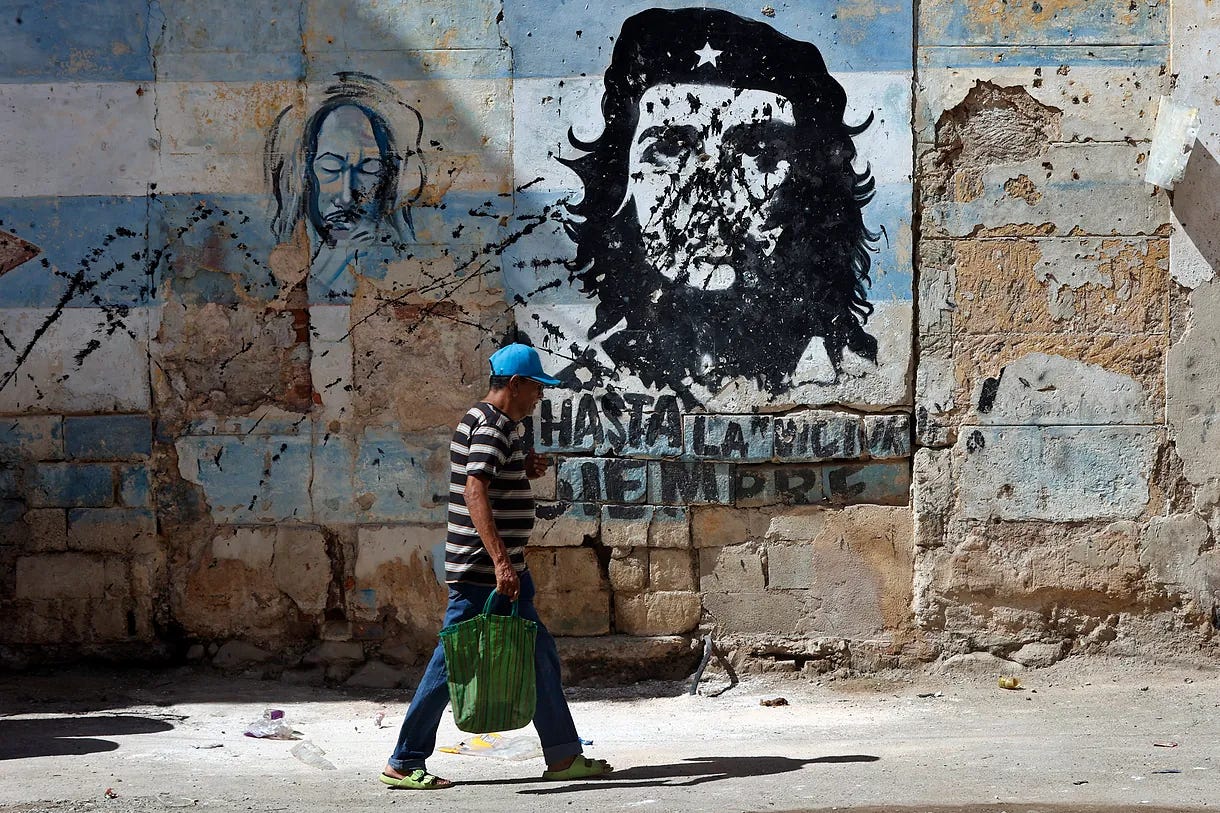
Washington’s cruel policy is also responsible for a major food crisis. Due to fuel shortages, the irrigation system—which depends on electricity—has been significantly disrupted, leading to a 60% drop in agricultural production. In Cuban households, perishable food cannot withstand power outages that can last up to 30 hours in some provinces. The supply of drinking water, as well as household waste collection, is also affected by the mediaeval-style blockade, creating a public health crisis of exceptional magnitude. As for transportation, it has been brought to a near standstill, drastically restricting people’s mobility and preventing schoolchildren and university students from pursuing their education normally.
Generous and courageous Cuba has always stood on the side of solidarity, embracing every noble cause in the struggle for human emancipation and denouncing colonialism and injustice in all their forms. It has made a decisive contribution to people’s fighting for their freedom, from Algeria to South Africa, and from Palestine to Vietnam. It has sent hundreds of thousands of doctors to care for the most vulnerable and welcomed those fleeing persecution by U.S.-backed military dictatorships in Latin America.
Today, Cuba, which is paying a heavy price for its resistance and defiance, needs the world’s solidarity in turn, for our common humanity cannot accept the strangulation of an entire people.