


The obsession, one verging on pathological, with political parties is producing its share of symptoms. These include, amongst others, cynicism, a general loathing by the electorate, a suspicion about a lack of independence among its parliamentary members, and the feeling that these machine types cannot be trusted and estranged. The independent representative is an antidote to this, a breath of the crispest, freshest air. Why, then, form a party of independents, thereby ceasing to be independent and forfeiting your very strength?
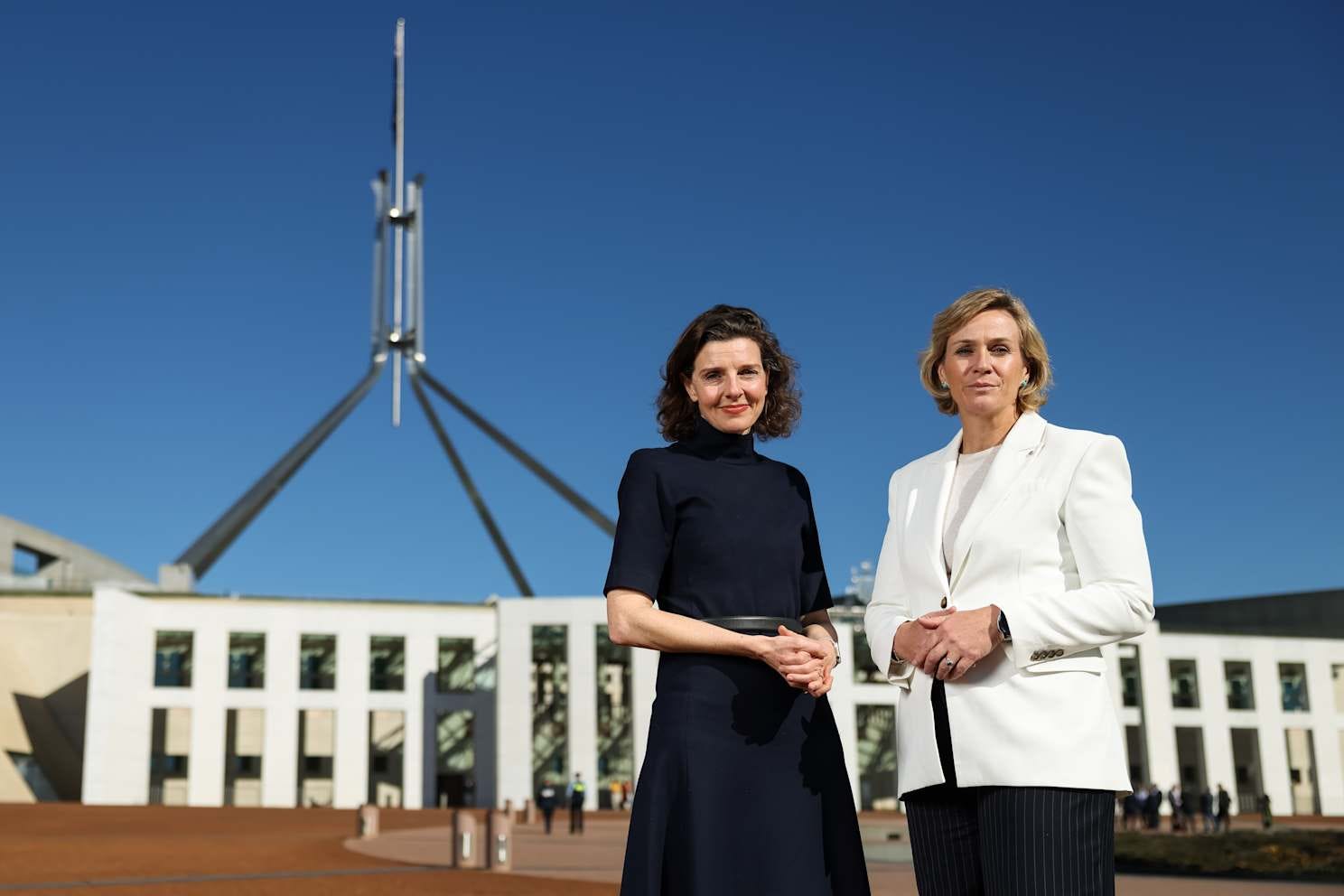
Well-meaning and well-intended, Zali Steggall and Allegra Spender, two formidable independent parliamentarians known in Australian politics as the “teals,” have decided to do just that. Both won their seats outright at the previous election (Steggall has been a member since 2019, when she famously unseated former Prime Minister Tony Abbott). In May 2022, they, along with Zoe Daniel, Kate Chaney, Sophie Scamps, Kylea Tink and Monique Ryan, swept to parliament in what was dubbed a “teal bath,” winning inner city seats long held by the right of centre Liberal Party. They did so on a platform studded with fiscal sensibility, anti-corruption, transparency and climate change. In May 2025, these members generally held their ground in the Labor landslide that returned Anthony Albanese to power.
Then, a few things happened. These took the form of government electoral reforms to funding and the coarse right-wing populism of Pauline Hanson’s One Nation Party. Not wishing to see the traditional major parties challenged by leaching votes to independent candidates and smaller parties, the Albanese government, with some helpful assistance from the Coalition opposition, made amendments to the Commonwealth Electoral Act 1918 imposing limits on gifts, donations and expenditures for candidates. An “overall gift cap” of AU$1.6 million to political candidates and political parties feature. The annual gift cap, however, is a deceptive tinkering, as it can be circumvented by wealthy donors by spreading amounts shy of the annual limit of AU$50,000 through multiple party branches across the country.
These ostensible reforms, which will come into effect at the start of next year, are intended to entrench a form of political duopoly, given that parties receive public funding for each legal first preference vote above the 4% minimum as dictated by the Electoral Act. That amount is set to increase from AU$3.50 to AU$5.0 per vote. It goes without saying that parties—and larger ones, in particular—will rake in more due to their greater share of votes. “The effect of increasing public funding is that political parties don’t have to fundraise because they’ve got their war chests,” observed the independent member for Curtin, Kate Chaney. “But any challengers do have to fundraise.”
Instead of adapting to the arrival of the independents, the government is merely following a policy of gradual extermination: try to starve the funding supply to independents and keep the loot for themselves. The loathing for major parties becomes easier to understand.
Hanson’s inflated rise in the polls—another unpardonable, anti-democratic distortion pollsters have unwittingly encouraged with meaningless questions about “voting intent”—is also spooking the more tempered teals and independents in parliament. How to address her watery form of identity politics, her anti-immigrant ennui and her claims that Australia is, apparently, a “monoculture” in desperate need of protection against burka-wearing radical Islamists, not to mention Chinese and Arabic speakers? The obvious answer for those already independent is to hold their line, not to mention their nerve.
Spender and Steggall think differently. Their new, centrist party, supposedly meant to take root in a climate of politics decidedly suspicious of the centre, has a lethally bland title: Community Strong Australia. With a name sounding more like a dog walking charity, the proponents are not off to a fine start. “We’re building a permanent, community-powered political force, an integrity-led party that puts evidence before ideology, community before vested interests and Australia’s future before yesterday’s political agendas.” This begs that vital question: Were they not already doing that, rather successfully?
Having given an undertaking to avoid slogans, the new group offers a few of their own: “We’re about hope over hate, reason over rage, and solutions over slogans. We’re about moving Australia ahead.” The pair had, Spender declared, heard “those grievances” of voters concerned about the rise of One Nation. “People are frustrated and tired of the status quo.”
Steggall and Spender have also tried to gloss the effort with claims of difference from previous party models. The stress here would be on collaboration on policies, with members retaining a free vote; this model was “not about choosing between independents and parties but combining the strengths of both.” Hardly a clear formulation.
The other teals have, so far, not been won over by the project. Chaney is one: “I still think that I can deliver a lot of value to my community as an independent and I’ll continue to do that and I couldn’t see any immediate benefit for my community or progressing the agenda to be part of a political party.” The ACT independent David Pocock has also taken a different temperature reading from his constituents. Responses “on whether independents should actually look at forming some sort of party alliance” had been, at best, “mixed.”
It has become a long-rusted proposition that the party is the only thing that matters if you wish to make it at the ballot box; never mind that your policy resembles the opposition as a Siamese twin. But times have changed, and independents have the luxury of being more considered and freer in cogitating over policies. Lacking party whips, not having disciplinary prefects ensuing a vote with the obedient pack, the teals have demonstrated that their value lies precisely in their uncaged thinking. To see their constituency work, and their engagement with the various committees of parliament, is to see representation in its direct, uncorrupted form. To therefore embrace a party machine model, however eccentric or novel—is still to embrace the machine. Be wary of that hemlock.

I could not agree more Binoy. I have thought for many years that the Party system is anti - democratic as is the whole Govt. - Opposition process. As far as I'm concerned, every member elected to the Parliament should have an equal say in the governance of our country. They are elected to represent the voters of their electorate - not some party hierarchy with their own agendas and their wealthy donors.