


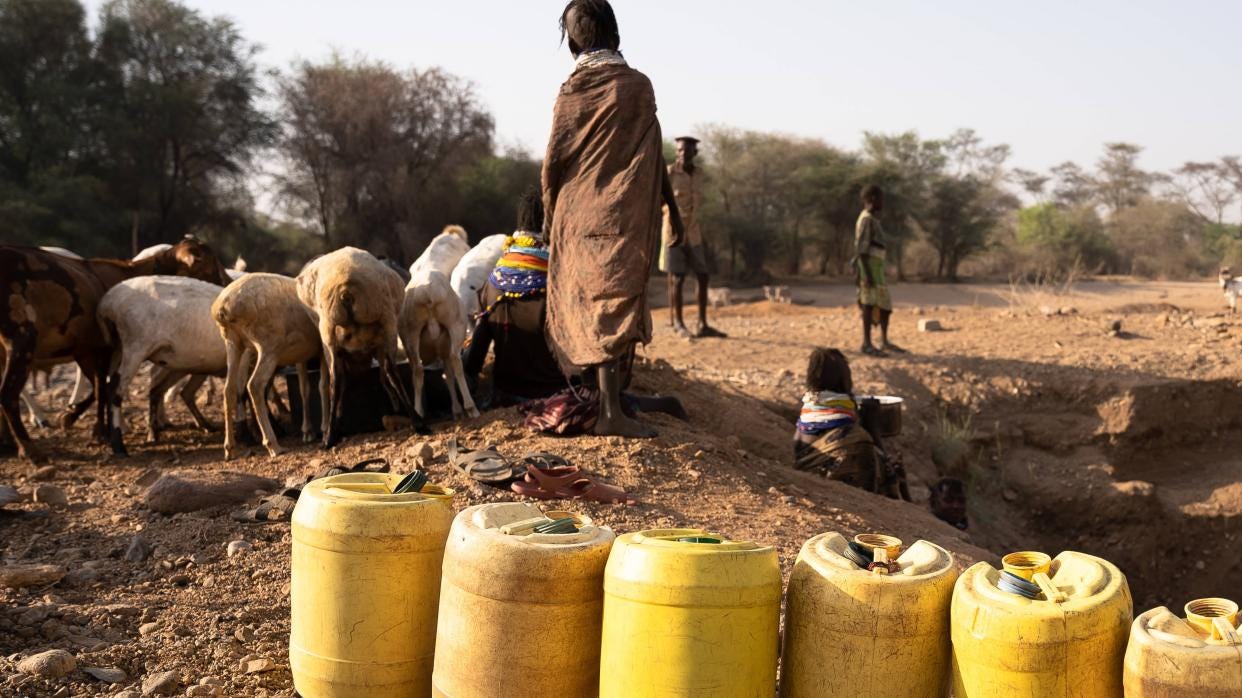
Climate change isn’t just an environmental issue—it’s reshaping economies, societies, and strategies across the MENA (Middle East and North Africa) region. Rising temperatures, prolonged droughts, extreme rainfall, and pressure on food systems are no longer distant projections—they are today’s reality.
For the nations of MENA, these challenges touch the very foundations of water, food, energy, and territorial sovereignty. The answer isn’t piecemeal. It lies in a climate doctrine that links resource mobilization, modern agriculture, energy diversification, and urban and territorial planning in a coherent, forward-looking framework. Anticipate rather than correct, protect rather than repair, structure rather than fragment.
Why Natural Cycles Matter
Water, soil, vegetation, energy, and urban areas are all interconnected. Healthy soils improve water retention, which reduces flooding and lowers infrastructure costs. Vegetation and urban design mitigate heat. Energy management reduces pressure on resources. Everything is connected.
Water Security
MENA countries have invested in dams, transfers, and desalination. But real resilience comes from also:
Recharging aquifers
Smart stormwater management
Protecting watersheds
Modernizing irrigation
Traditional knowledge, particularly in oases and mountain regions, complements modern technology and ensures efficient, sustainable water management.
Food Security and Soil Health
Stable agricultural systems require:
Climate-adapted crops
Efficient irrigation
Soil fertility preservation
Diversified production based on local climate
Living soils are natural insurance, boosting yields and buffering climate shocks.
Energy and a Managed Transition
MENA has unmatched solar potential. Gradual energy diversification strengthens autonomy, reduces fossil fuel dependence, and drives industrial and technological innovation. The key is a transition that is phased and compatible with development priorities.
Cities and Climate Adaptation
Urban centers concentrate people, infrastructure, and economies. Adaptation measures include:
Integrated stormwater systems
Green spaces and urban cool islands
Energy-efficient buildings
Climate-informed city planning
Proactive planning today prevents higher costs tomorrow.
Science and Governance
A robust climate doctrine relies on:
Systematic climate impact assessments
National resilience indicators
Cross-sector coordination
Scientific research integration
Universities and technical institutions are critical partners to ensure decisions are data-driven.
Climate as Opportunity
Investing in resilience creates jobs, stabilizes rural communities, and fosters innovation. Agroecology, water-smart systems, solar energy, and climate modeling are sectors of the future. Coherence across policies transforms climate risk into growth opportunities.
Conclusion
The 21st century will favor nations that govern natural cycles with intelligence and foresight. MENA has the land, solar potential, water expertise, and human resources to make this happen. By integrating water, agriculture, energy, and urban planning into a cohesive climate doctrine, the region can anticipate, protect, and structure its future—turning climate challenge into strategic advantage.
