


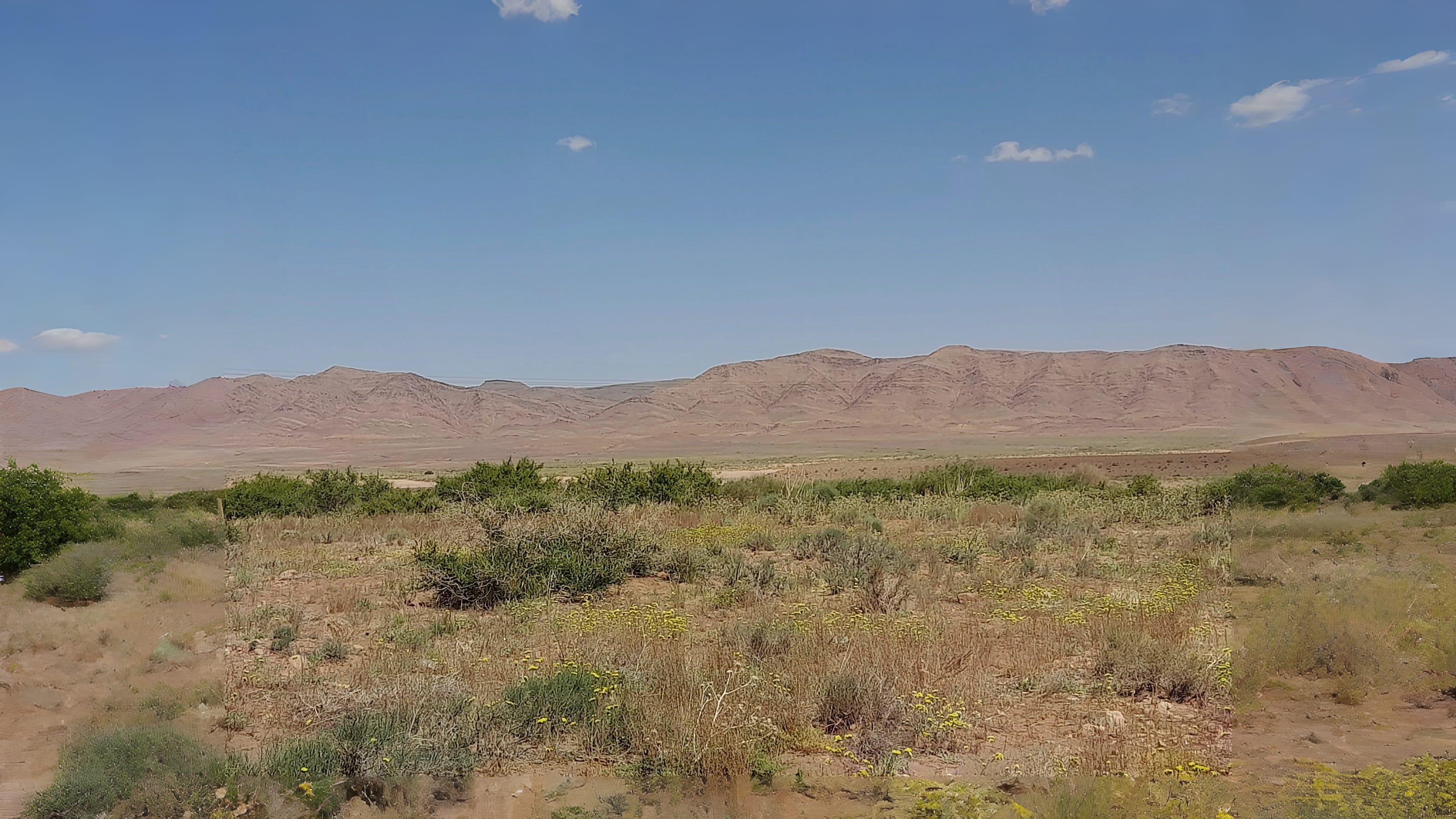
1. Forgotten Water: How Cities Desertify Their Own Territories
In modern cities, a silent paradox repeats itself: in countries affected by drought, rainwater disappears immediately into the sewers. This logic, which has become commonplace, nevertheless contributes to the gradual desertification of territories.
Concrete covers the soil, wadis are channelized, and urban infrastructures have been designed to evacuate water as quickly as possible instead of allowing it to infiltrate. Even in some Saharan regions, gas stations and public buildings discharge rainwater while groundwater reserves are steadily declining.
The case of mosques is particularly symbolic: in regions where people pray for rain, this water often ends up in drainage systems. This contradiction reveals the gradual loss of our water culture.
Yet Saharan societies had long developed a very different logic. Oases, foggaras, and traditional irrigation systems were based on a simple principle: every drop should be retained where it falls.
Today, this issue goes far beyond ecology. While millions of cubic meters of rainwater are lost, agricultural lands are degrading and food dependency is increasing. Rainwater must once again become a local resource capable of nourishing soils, trees, and territories.
2. Reconciling Water and the City: Five Principles for a Living Urbanism
Modern cities were designed around concrete and the rapid circulation of water. But in the face of droughts and heatwaves, this model is reaching its limits.
First principle: infiltrate water where it falls through permeable soils, retention basins, and vegetated swales.
Second principle: de-seal urban spaces so that soils can recover their natural absorption capacity.
Third principle: create urban oases with rain gardens, drought-resistant trees, and microforests capable of cooling cities.
Fourth principle: recycle greywater to irrigate green spaces and support urban agriculture.
Fifth principle: build according to the real climate. Glass façades and intensive air conditioning do not correspond to Algerian climatic realities. Local materials, patios, and bioclimatic techniques must regain a central place.
Reconciling water and the city does not mean returning to the past, but building territories that are more resilient, balanced, and sustainable.
3. From Desert to Resilience: What North Africa Can Teach the World
The desert is often perceived as an empty and hostile space. Yet Saharan regions carry immense ecological intelligence.
Foggaras—underground galleries transporting water over long distances without excessive evaporation—demonstrate remarkable know-how. Oases also functioned as genuine circular economy systems: water was reused, palm trees created protective shade, and crops protected the soil.
This wisdom contrasts sharply with certain contemporary models based on intensive pumping and energy dependence.
Southern regions reminds us of an essential truth: resilience emerges less from abundance than from the ability to live within natural limits.
At a time when droughts are intensifying worldwide, Saharan knowledge is regaining universal relevance. Agroecology, rainwater harvesting, and earthen architecture now appear as pathways toward the future.
4. The New Battle for Water: Silent Droughts
Modern droughts do not always produce spectacular disasters. They often advance slowly, exhausting soils, reducing agricultural yields, and weakening territories.
In several regions, the signs are already visible: declining groundwater levels, the gradual disappearance of certain plant species, rising urban temperatures, and increasing dependence on food imports.
This crisis reveals the limits of a model centered on extraction rather than regeneration. For decades, urban policies have favored rapid water drainage and soil artificialization.
Yet a territory does not become desertified only because it receives less rainfall, but also because it loses its ability to retain water.
Faced with this reality, solutions do exist: agroecology, rainwater harvesting, soil restoration, and the replanting of trees capable of recreating microclimates.
Tomorrow’s real battle may well be our collective ability to restore the small natural water cycles destroyed by decades of urbanization.
5. What If Water Became Our First Landscape Designer?
What if we finally built our cities not against water, but with it?
In a context marked by droughts and heatwaves, water could once again become the primary guide for urban planning. Imagining cities designed around water means imagining rooftops collecting rainfall, infiltrating streets, schools transformed into nurseries, and vegetated public spaces.
Each building could become a small ecological reservoir. Desert gas stations could be transformed into oases of freshness and biodiversity.
This vision is not utopian. It draws inspiration from oases, ksour, and ancient forms of knowledge adapted to arid climates.
For a long time, modern urbanism sought to dominate nature. Perhaps it is now necessary to learn how to collaborate with it instead.
Because a civilization that allows its water to escape eventually allows its future to escape as well.

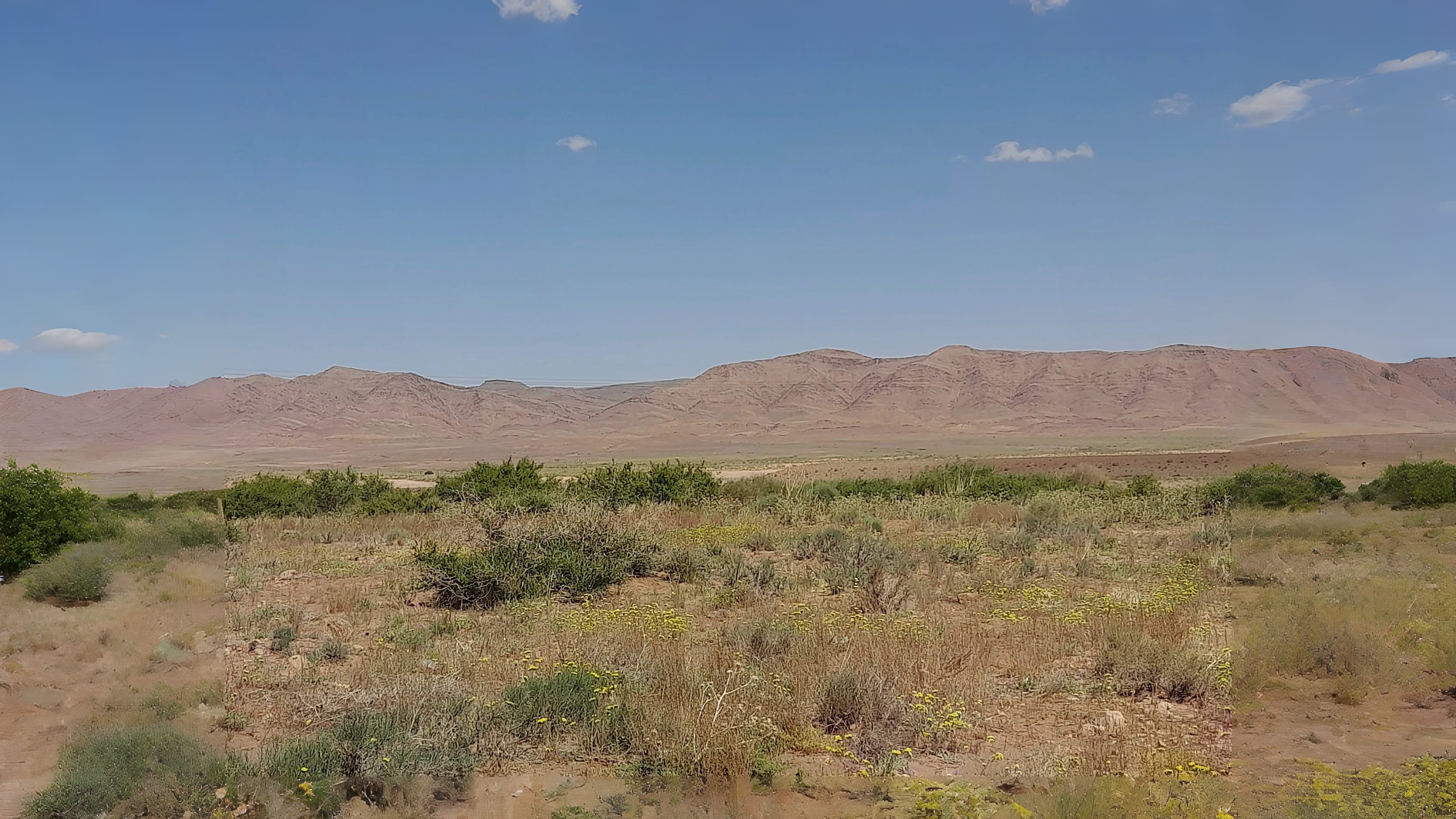
Upon revisiting the article, I realized that beneath the photo I should have clarified that it was not only plant life that was thriving — there were also bees, butterflies, and many other forms of life.
All around the world, we see this. The local mayor spends taxpayers' money to construct concrete channels in place of the roadside ditches that used to feed the rainwater back into the ground. In a few years, when crops fail, trees die, and wells dry out, people will blame the climate, not the wrong-headed "improvements".